2026-11-02
When Should You Have Cataract Surgery? Why Timing and a Detailed Exam Matter More Than Vision Alone
Cataract surgery timing now depends more on daily-life discomfort than vision numbers alone. Learn how cataract symptoms differ from presbyopia and why a detailed exam matters.


Hello,
the eye clinic closest to Gangnam Station,
directly connected to Exit 2 of Gangnam Station,
is Gangnam Irium Eye Clinic.
As we get older,
“Newspaper print looks blurry.”
“Night driving is getting harder.”
“Even with new glasses, I can’t see well.”
Many people assume these changes are just normal presbyopia.
But if your vision looks hazy regardless of distance, and light halos or glare have gotten worse, it may be time to consider cataract symptoms.
How are cataracts and presbyopia different?
The most typical sign of presbyopia is difficulty seeing small print up close.
Cataract symptoms, on the other hand, reduce clarity both up close and at a distance, making vision look cloudy, as if through fog.
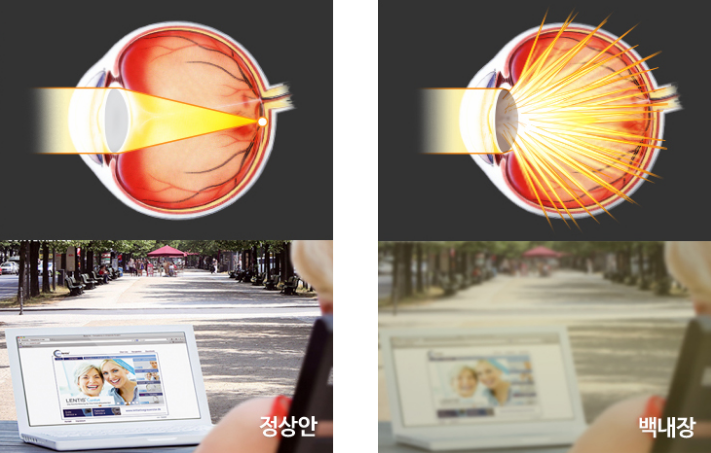
- Lights look smeared when driving at night.
- Colors look yellowed or not clear.
- Glare is severe in bright places.
- Your vision doesn’t improve much even after changing your glasses.
If you notice these changes, you may be dealing with cataract symptoms rather than presbyopia.
When is the best time for cataract surgery?
In the past, surgery was often recommended once vision dropped to 0.3 or lower.
Today, however, daily-life inconvenience is considered a more important criterion than the vision number alone.
Even if your vision seems fine indoors,
if driving feels uncomfortable,
if stairs are hard to see,
if TV subtitles look blurry,
or if daily life feels inconvenient,
it may be time to consider cataract surgery.
Recent studies suggest that cataract surgery can do more than restore vision, helping to improve quality of life and reduce fall risk and driving difficulties.
Cataracts in Parents: If You Notice These Changes, Consider Suggesting an Exam
Adult children often notice small changes in their parents first.
- They keep their lights on brighter than usual.
- They keep turning up the TV’s screen brightness, not just the volume.
- They try to avoid driving at night.
- They say, “Even with new glasses, I can’t see.”
If these changes keep happening, a detailed exam for cataracts may be helpful for your parents.
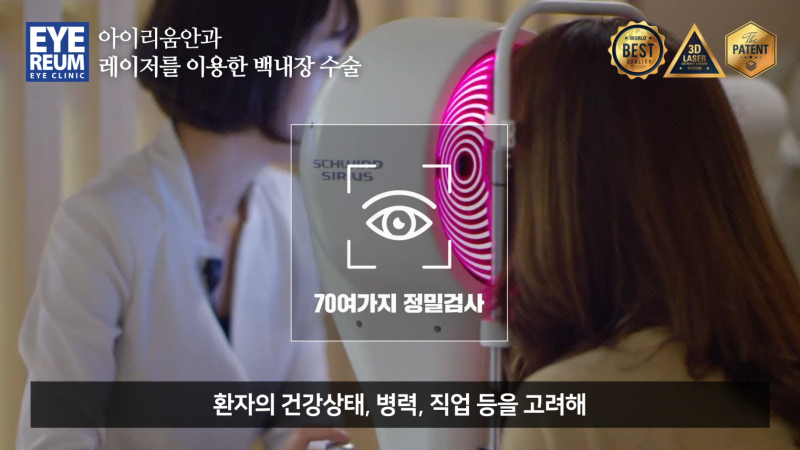
The goals of cataract surgery are also changing.
In the past, the main goal was to remove the clouded lens and restore vision. Today, the focus also includes how comfortably patients can live after surgery and their overall quality of life.
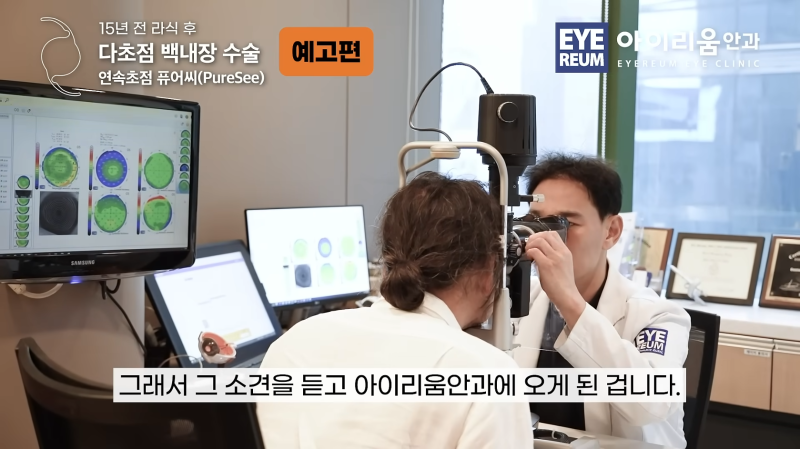
As more people in their 60s and 70s continue active lifestyles with golf, hiking, travel, driving, and smartphone use, interest is growing in presbyopia-correcting cataract surgery. It reduces dependence on glasses and makes intermediate and near vision more comfortable.
Cataract Lenses: The Right Lens for You Matters More Than the “Best” Lens
As post-surgery convenience becomes more important, the choice of intraocular lenses (IOLs) used in cataract surgery is also becoming more specialized.
Cataract IOLs are broadly divided into monofocal, extended depth-of-focus (EDOF), and multifocal lenses.

Monofocal lenses focus on providing clear vision at a single distance.
EDOF lenses can help expand usability at intermediate distances.
Multifocal IOLs are designed to reduce dependence on glasses for distance, intermediate, and near vision.

Recently, multifocal IOLs with improved optical performance, such as the Clareon PanOptix Pro, have also come into use.
If you often rely on intermediate distances of about 60 cm to 1 m in daily life, such as checking a navigation screen while driving, working on a computer, or cooking, these visual characteristics can affect everyday comfort.
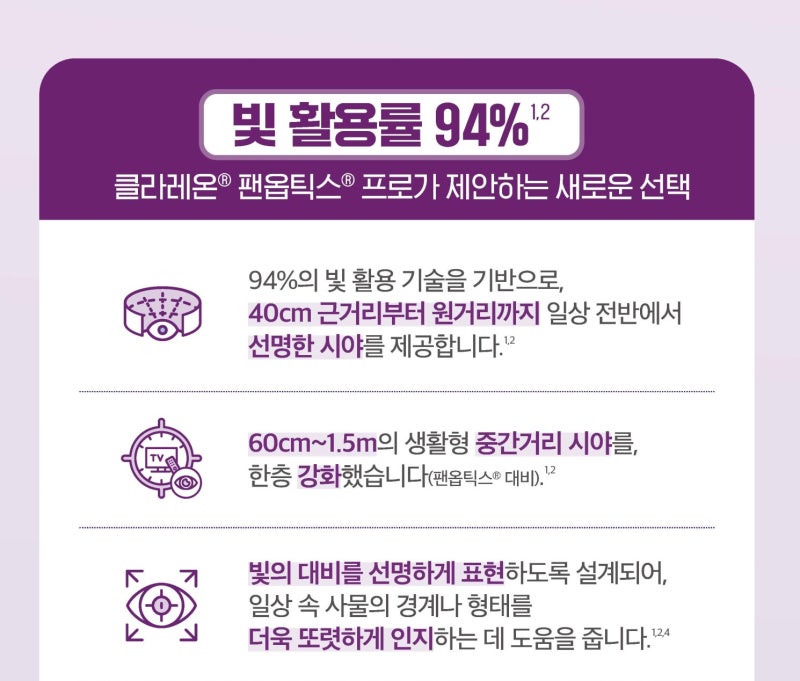
That said, no single cataract lens is best for every patient.
Choosing the right lens for your eyes and daily life requires considering the condition of your cornea, retina, optic nerve, and tear film, as well as your lifestyle and whether you drive at night.
Have You Had LASIK or LASEK in the Past?
If you had LASIK or LASEK about 20 years ago, you may need a more thorough examination before cataract surgery.
This is because, if past vision correction surgery left the cornea irregular, halos or glare may persist even after cataract surgery.

In this case, a detailed exam that checks the cornea along with the choice of IOL is essential.
What to Check Before Choosing a Lens for Cataract Surgery
Satisfaction with cataract surgery isn’t determined by lens type alone.

To create a surgical plan that suits you, it’s essential to accurately assess your current eye condition, including the cornea and lens, retina, astigmatism, and the quality of your vision.
A more detailed exam can be especially helpful if you are considering a multifocal IOL.
Cataracts are a natural part of aging that can affect anyone.
However, it’s not uncommon for people to mistake cataract symptoms for ordinary presbyopia and miss the right time for treatment.
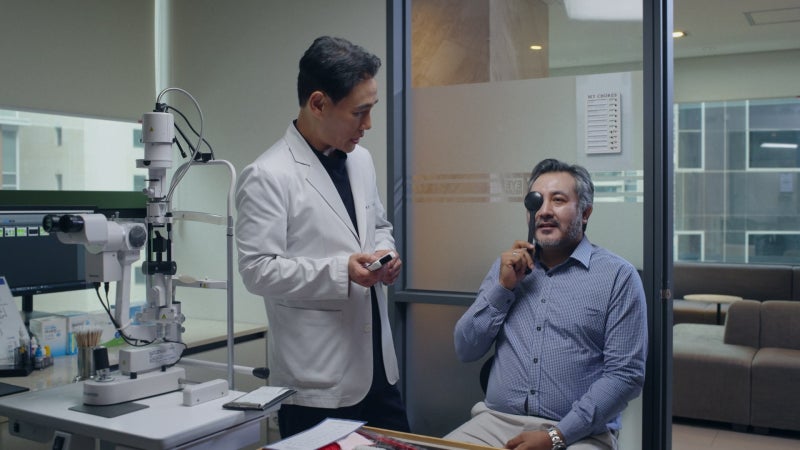
These days, the timing of surgery is generally decided by a comprehensive assessment of daily-life discomfort and eye health, rather than vision numbers alone.
If your parents’ vision seems worse than before, or you’re noticing similar changes yourself, it may help to get a detailed exam to check your current eye health before rushing into a decision about surgery timing.
#CataractSurgery #CataractSymptoms #PresbyopiaCataractSurgery #CataractLens
#MultifocalIOL #PanOptixPro #ParentsCataracts
#CataractSurgeryTiming #GangnamEyeClinic #IriumEyeClinic




Frequently Asked Questions
How can I tell cataract symptoms apart from presbyopia?
Presbyopia most commonly causes difficulty seeing small print up close. Cataract symptoms, by contrast, reduce clarity both near and far, make vision look hazy like fog, and cause lights to smear when driving at night.
Is the timing of cataract surgery based on visual acuity alone?
No. Daily-life inconvenience is considered a more important criterion than vision numbers alone. In the past, surgery was often recommended once vision dropped to 0.3 or lower, but even if your indoor vision seems fine, surgery may be worth considering if driving is uncomfortable, stairs are hard to see, TV subtitles look blurry, or daily life feels inconvenient.
What changes in my parents would suggest they should get a cataract exam?
If these changes keep happening, a detailed exam may help. Changes children often notice first include keeping lights brighter than usual, raising the TV screen brightness rather than just the volume, avoiding night driving, or saying they can’t see well even with new glasses.
What types of cataract lenses (IOLs) are available?
Cataract lenses are broadly divided into monofocal, extended depth-of-focus (EDOF), and multifocal IOLs. Monofocal lenses focus on one distance, EDOF lenses help expand use at intermediate distances, and multifocal IOLs are designed to reduce dependence on glasses at distance, intermediate, and near ranges.
Do I need a special exam before cataract surgery if I had LASIK or LASEK?
Yes. If you had LASIK or LASEK in the past, a more thorough examination before cataract surgery may be needed, because an irregular cornea from past vision correction can leave halos or glare even after surgery.
What should I check when considering a multifocal IOL?
It’s important to check the cornea, retina, optic nerve, and tear film, as well as your lifestyle and whether you drive at night. A more detailed exam can be especially helpful, and since no single lens is best for every patient, choosing one that fits your eyes and daily life is key.