2026-11-12
Winter Dry Eye: Will It Get Worse After SMILE LASIK?
Dry eye can feel worse in winter, and temporary dryness may occur after SMILE LASIK. Checking your tear film and ocular surface before surgery is key.

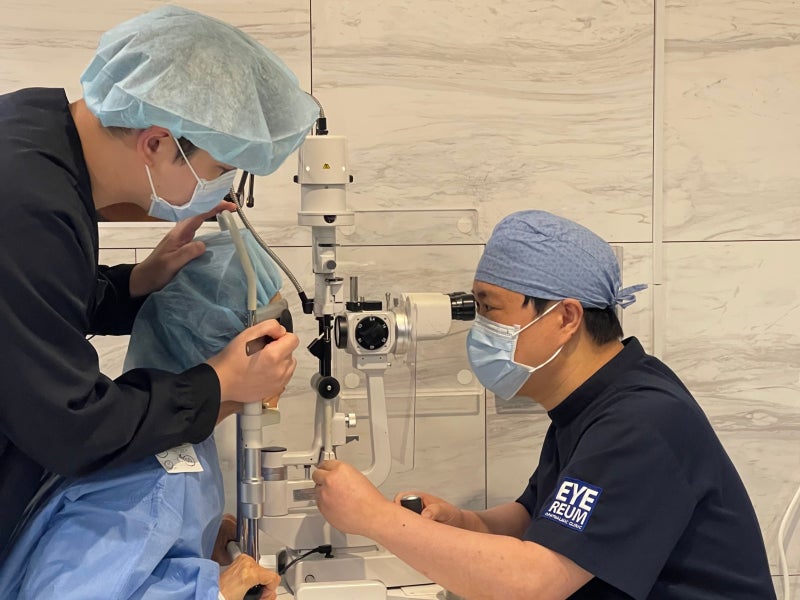
Many people experience dry eye symptoms in winter, such as eyes that feel stiff, cold, or stinging, or a gritty foreign-body sensation. Cold, dry weather and indoor heating both reduce moisture in the air. When you spend long hours on a computer or smartphone and blink less often, the tear film can easily become unstable.
For this reason, many people planning SMILE LASIK in winter worry that their eyes, which are already dry, could become even drier after surgery.
Dryness can also occur temporarily in the early period after SMILE LASIK. However, it is important to thoroughly check the ocular surface and tear film before surgery and to manage your eyes in line with the recovery process afterward.
Why Winter Dry Eye Needs Extra Attention After Vision Correction Surgery
In winter, low humidity and indoor heating can cause tears to evaporate easily. Add long hours staring at a monitor or smartphone, which reduces blinking, and the tear film may not stay evenly distributed. This makes it easy to feel stiffness, a cold or stinging sensation, or eye fatigue.
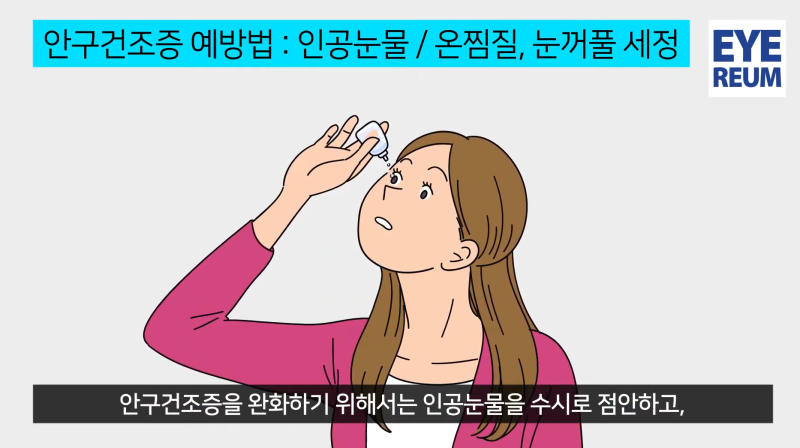
Especially after vision correction surgery, maintaining a healthy tear film and ocular surface is essential for stable visual recovery. When the eyes become too dry, vision may seem uneven or less sharp, so it is advisable to pay close attention to dry eye management during recovery.
In the early period after laser vision correction procedures such as SMILE LASIK, LASIK, and LASEK, the eyes may feel dry or stiff. However, the degree of these changes and the speed of recovery vary from person to person. The dryness you feel after surgery may also differ depending on whether you had dry eye symptoms before surgery, how long you wore contact lenses, and the condition of your tear film and ocular surface.
How Does SMILE LASIK Affect Dry Eye?
SMILE LASIK corrects vision through a small incision, without making a large cut in the cornea. Because the surgical area is relatively small, it may help reduce the impact on the corneal surface. Research on dry eye symptoms after surgery and the eye's recovery process is also ongoing.
However, SMILE LASIK does not mean dry eye will never occur. In the early period after surgery, the eyes may feel stiff or dry, and the severity of symptoms and the speed of recovery can vary depending on the tear film before surgery and each person's eye condition.

Having dry eye does not automatically rule out SMILE LASIK. However, if your eyes tend to become stiff or red by the afternoon, if wearing contact lenses is difficult, or if you frequently use artificial tears, it is advisable to thoroughly check your tear film and ocular surface before surgery.
If dry eye is severe or the ocular surface is unstable, the surgery date may be decided only after your condition has been stabilized. Ultimately, whether SMILE LASIK is suitable is determined by considering not only vision and corneal thickness but also the tear film and ocular surface, which can affect recovery after surgery.
If You Are Planning One-Day SMILE LASIK in Winter
Winter itself does not determine whether you are eligible for SMILE LASIK. However, low humidity and indoor heating can easily worsen dry eye symptoms. If you are planning one-day SMILE LASIK, where surgery is performed on the same day as your examination, it is especially important to take better care of your eyes before surgery.
Even if you visit the clinic for one-day SMILE LASIK, the surgery schedule may be adjusted if your dry eye symptoms are severe or if inflammation of the ocular surface, such as conjunctivitis, is found. In that case, treatment comes first so that testing is accurate and surgery is safer.
So, if you want to have your examination and surgery on your preferred schedule, make sure to observe the required contact lens-free period before testing and keep your eyes from becoming excessively dry. In particular, contact lenses can affect corneal shape, so you must confirm the non-wear period for your lens type, whether soft lenses, rigid gas-permeable lenses, or orthokeratology (Dream) lenses.
If you often feel dryness, using artificial tears appropriately and keeping heater or fan-heater airflow from blowing directly into your eyes can help. When using a computer or smartphone for long periods, give your eyes regular breaks and make a conscious effort to blink often. If dryness is severe or redness or a foreign-body sensation persists, have your ocular surface checked first rather than simply enduring it and trying to keep to your surgery schedule.

Everything you need to know about eyelid care, demonstrated personally by Dr. Choi Jin-young, ophthalmologist and director of Eyereum Eye Clinic!
Eyelid hygiene is not just a matter of cleanliness. It is the foundation for keeping your eyes moist and a core part of dry eye management.
Watch the video to see for yourself!
For Winter SMILE LASIK, Check Your Eye Condition First
Eyereum Eye Clinic researches and applies a range of SMILE-based vision correction procedures, including Low-Energy SMILE, SMILE Pro, and Plasma SMILE. We provide individualized surgical consultations that take into account corneal condition, correction amount, and the eye's optical characteristics.
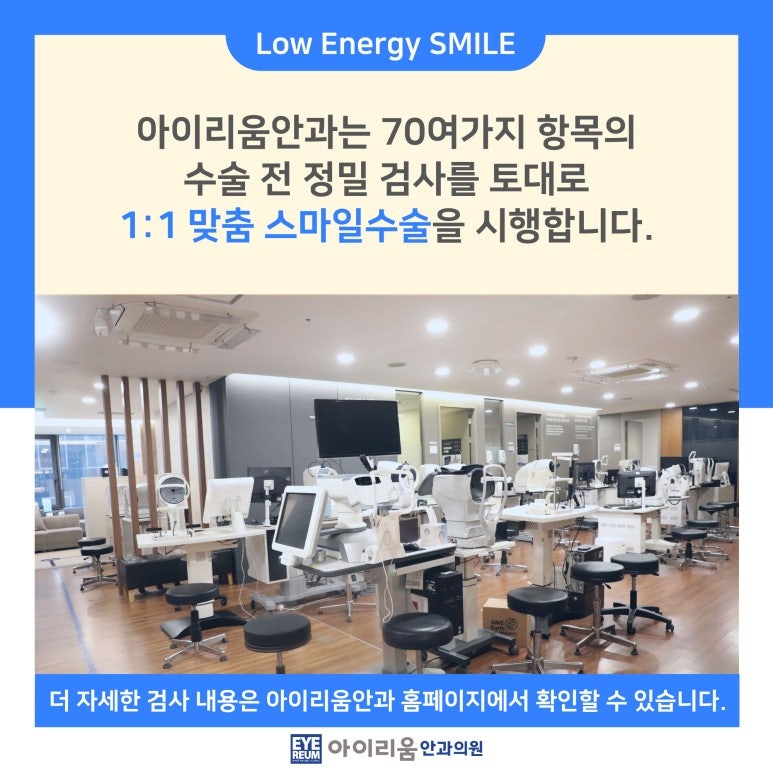
If you are planning winter SMILE LASIK or one-day vision correction, first find out whether your eyes are in good condition for surgery through a detailed examination.
▶ Eyereum Eye Clinic One-Day Vision Correction Consultation and Booking


#SMILELASIK #SMILELASIKDryEye #DryEyeAfterSMILELASIK #WinterDryEye #DryEye #OneDaySMILELASIK #OneDayVisionCorrection #LowEnergySMILE #SMILEPro #PlasmaSMILE #VisionCorrection #GangnamEyeClinic #EyereumEyeClinic
Frequently Asked Questions
Does dry eye get worse after SMILE LASIK in winter?
Dryness can occur temporarily in the early period after SMILE LASIK. In winter, low humidity and indoor heating can cause tears to evaporate more easily, so symptoms may be more noticeable. However, the extent of these changes and the speed of recovery vary from person to person.
Can't I get SMILE LASIK if I already have dry eye?
Not necessarily. Having dry eye does not automatically make you ineligible for SMILE LASIK. However, if your eyes feel stiff or red in the afternoon or you frequently use artificial tears, it is advisable to thoroughly check your tear film and ocular surface before surgery.
Is surgery performed on the same day as the examination for one-day SMILE LASIK?
Yes. One-day SMILE LASIK is a method in which surgery is performed on the same day as the examination. However, if dry eye symptoms are severe or inflammation of the ocular surface, such as conjunctivitis, is found, treatment may come first and the surgery schedule may be adjusted.
How long do I need to stop wearing contact lenses before SMILE LASIK?
The required non-wear period varies by lens type, so be sure to confirm it before your examination. Contact lenses can affect corneal shape, so it is important to follow the guidelines for each type, whether soft lenses, rigid gas-permeable lenses, or orthokeratology (Dream) lenses.
How can I manage dry eye in winter?
Using artificial tears appropriately and keeping heater or fan-heater airflow from blowing directly into your eyes can help. When using a computer or smartphone for long periods, take regular breaks to rest your eyes and get into the habit of blinking often. If dryness, redness, or a foreign-body sensation persists, have your ocular surface checked first rather than trying to work around your surgery schedule.