2026-11-06
Why Precise Surgical Centering Matters in SmileLASIK and SmartNOVA: A Plain-Language Look at the Latest Research
Irium Eye Clinic's study, published in TVST, shows how small centering errors in lenticule-based surgery like SmileLASIK and SmartNOVA can be corrected to protect visual quality.
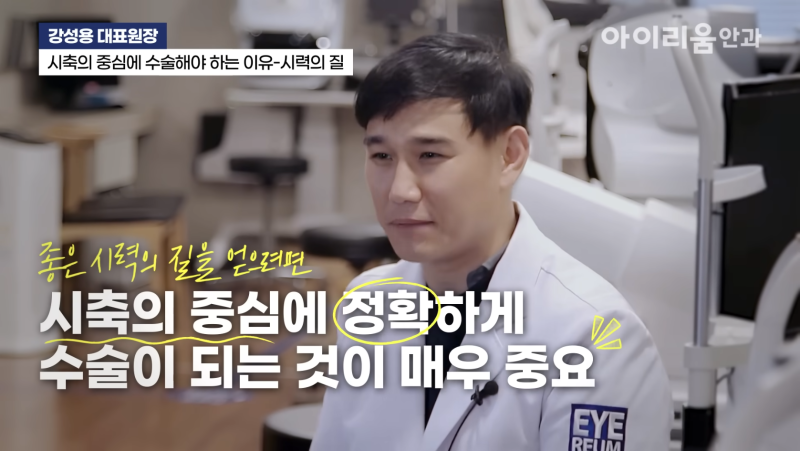
At Irium Eye Clinic, for every vision correction procedure, including SmileLASIK and LASEK, we place importance not only on simple visual acuity numbers but also on “visual quality.” Even with the same 1.0 visual acuity, the comfort of what you actually see can differ depending on night-time halos, glare, sharpness, and contrast sensitivity. That is why it is important to look at how clear and comfortable your vision is after surgery, not just the differences between the latest laser equipment and surgical techniques.
Irium Eye Clinic has continued research aimed at improving postoperative visual quality, with 66 SCI papers on vision correction surgery. Even within the same procedure, we have studied how detailed factors such as laser energy, surgical center, and astigmatism correction affect visual quality, and we have applied these findings to actual surgical planning.
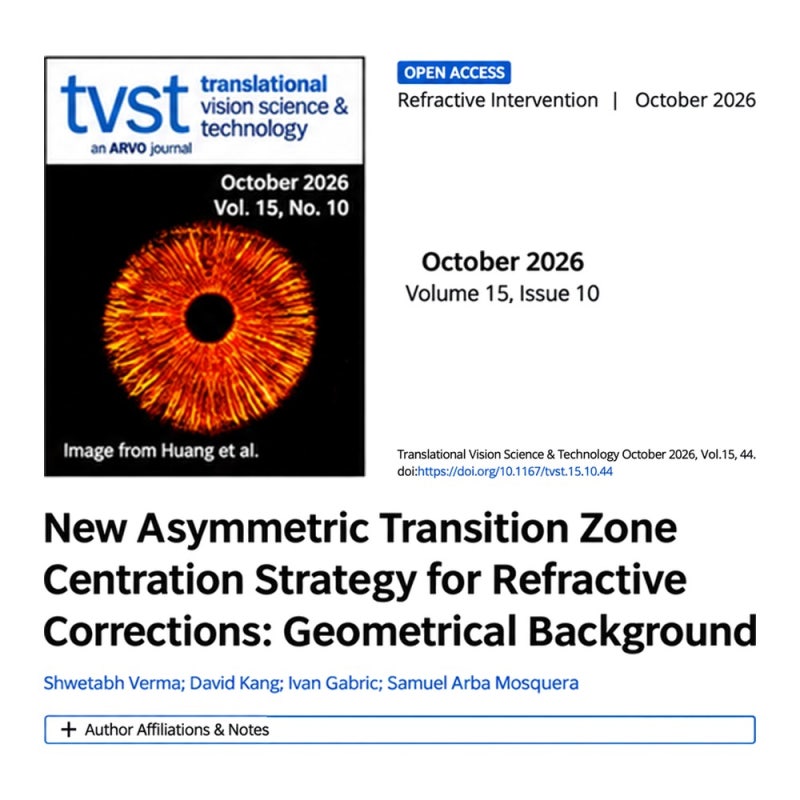
A recent study on centering in vision correction surgery, conducted jointly with overseas researchers by Dr. Sung-yong Kang, Chief Director of Irium Eye Clinic, was published in the SCI-indexed international journal ‘Translational Vision Science & Technology (TVST)’. This study analyzed how to compensate for minute centering errors that can occur during surgery in lenticule-based vision correction (KLEx), which creates a corrective tissue inside the cornea and then separates it, as in SmileLASIK and SmartNOVA.
Why is the ‘surgical center’ important in SmileLASIK?
SmileLASIK uses a laser to create a thin, lens-shaped piece of tissue inside the cornea, then separates and removes it through a small incision to correct nearsightedness and astigmatism. SmartLASIK and SmartNOVA also fall under corneal lenticule-based vision correction methods.
In surgery, what matters is not only the correction amount matched to nearsightedness and astigmatism power, but also whether ‘the position where the laser is applied precisely matches the planned center.’ When the eye is fixed to the laser device for surgery, the gaze can shift slightly or the eyeball can rotate. In such cases, a small difference can arise between the position planned during the examination and the actual surgical position.
Such centering deviations may be associated with an increase in higher-order aberrations and can also affect visual quality, including night-time halos, glare, and sharpness.
Why SmileLASIK Surgery Must Be Precisely Aligned to the Visual Axis, the ‘Center of Vision’ in Vision Correction
What is the core of this study?
This study analyzed how to compensate for minute centering differences that can occur during surgery in lenticule-based vision correction procedures such as SmileLASIK and SmartNOVA.
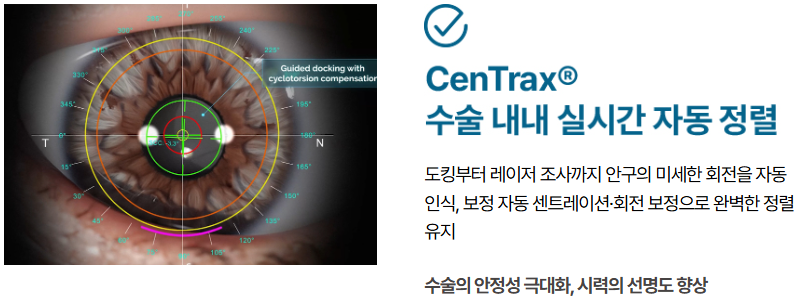
The key is to align the central zone, which is critical for vision, to the planned position while adjusting the peripheral zone to reduce positional error. This design is applied in CenTrax, the centering technology of SmartNOVA (SmartSight NOVA).
In the actual surgical cases presented in the paper, after correcting the difference between the planned and actual positions, the corneal shape after surgery was confirmed to remain similar to the predicted design.
Ultimately, the significance of this study lies in presenting a method that reduces minute positional errors during surgery, helping to achieve more precise vision correction.
For SmileLASIK and SmartNOVA, examination and surgical planning matter more than the equipment
When looking into SmileLASIK or SmartNOVA, it is important not only to compare differences in laser equipment or procedure names, but also to plan the surgery only after thoroughly checking, through a detailed examination, the corneal condition and factors that can affect astigmatism and visual quality. Even with the same nearsightedness or astigmatism power, eye characteristics such as corneal shape and higher-order aberrations can differ, so the surgical method and plan should be determined based on each person’s examination results and eye condition.
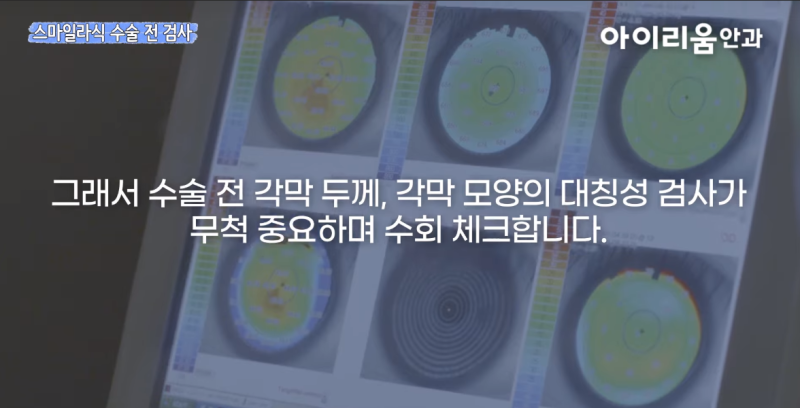
If you are considering vision correction surgery, rather than comparing procedure names, first find out which method suits your eyes through a detailed examination. Based on examination results, Irium Eye Clinic guides patients through available options such as SmileLASIK, SMILE Pro, and SmartNOVA.
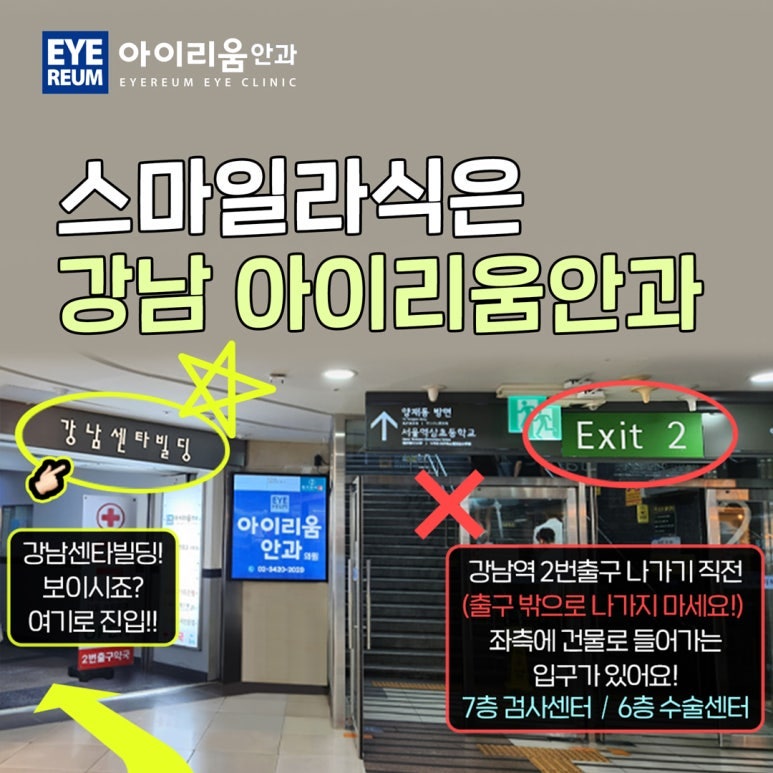
Irium Eye Clinic, the eye clinic closest to Gangnam Station, is directly connected to Exit 2 of Gangnam Station, so you don’t have to step outside.


#SmileLASIK #SmartNOVA #SmartLASIK #VisionCorrection #SmileLASIKVisualQuality #SmileLASIKHalos #SmileLASIKSharpness #AstigmatismCorrection #HigherOrderAberrations #CenTrax #SmartSightNOVA #IriumEyeClinic #DrSungyongKang #SmileLASIKStudy
Frequently Asked Questions
Why is the surgical center important in SmileLASIK?
Because the laser must be applied precisely at the planned center. Beyond the correction amount that matches nearsightedness or astigmatism power, the surgical position is also critical, and a small difference can arise between the planned and actual positions while the eye is being fixed to the device. Such centering deviations can affect visual quality, including night-time halos and glare.
How does SmileLASIK correct vision?
A laser creates a thin, lens-shaped piece of tissue inside the cornea, which is then separated and removed through a small incision to correct nearsightedness and astigmatism. SmartLASIK and SmartNOVA also belong to corneal lenticule-based vision correction methods.
What centering technology is used in SmartNOVA?
SmartNOVA uses CenTrax, its centering technology. This design aligns the central zone, which is critical for vision, to the planned position and adjusts the peripheral zone to reduce positional error.
What should be checked before vision correction surgery?
It is advisable to first check the corneal condition and factors that may affect astigmatism and visual quality through a detailed examination. Even with the same nearsightedness or astigmatism power, eye characteristics such as corneal shape or higher-order aberrations can differ, so the surgical method and plan should be determined based on the examination results.
What Is 'Visual Quality'?
It is a concept that goes beyond simple visual acuity numbers to include the actual comfort of your vision, such as night-time halos, glare, sharpness, and contrast sensitivity. Even with the same 1.0 visual acuity, the comfort you experience can differ depending on these factors.