2026-11-17
Plasma SMILE for Clearer Vision: What an SCI Paper Reveals
Irium Eye Clinic explains Plasma SMILE, an ultra-low-energy SMILE LASIK approach that aims to reduce corneal gas bubbles and higher-order aberrations for clearer vision.
Hello, this is #GangnamSMILELasik #GangnamIriumEyeClinic.
Today, we’ll take a look at
the “Plasma SMILE” procedure offered at Irium Eye Clinic.
Low Energy SMILE and Plasma SMILE both seem like excellent surgical options, yet many patients wonder what the differences are and what makes them better.
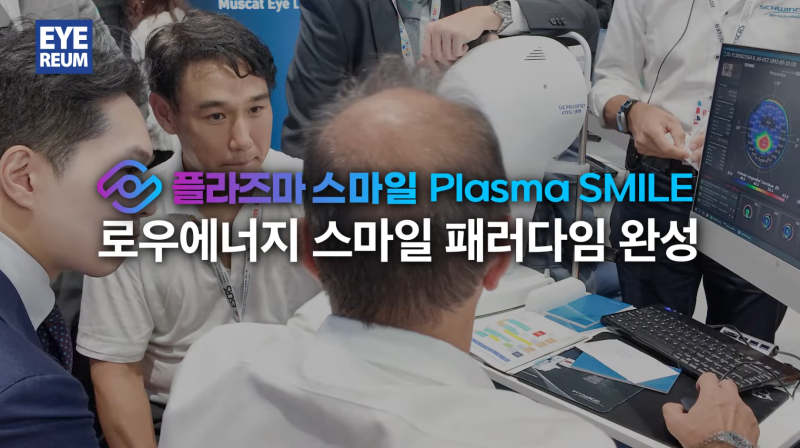
Today, based on research published in an SCI-listed international journal,
I’ll explain why #PlasmaSMILE emerged and what has changed.
What is SMILE LASIK?
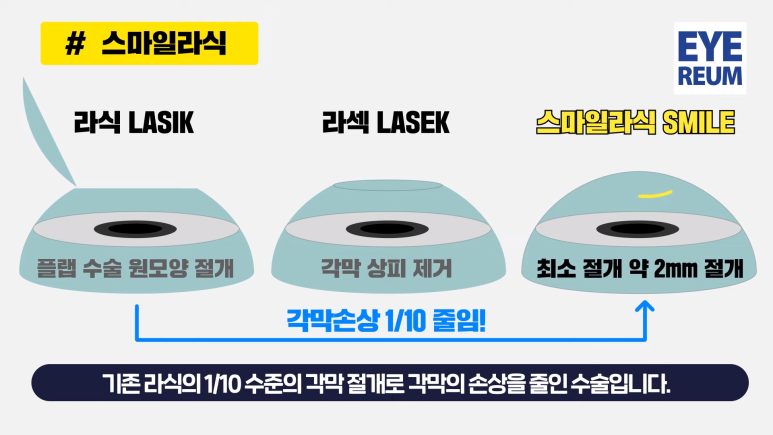
#SMILELasik’s official name is SMILE (Small Incision Lenticule Extraction).
A specialized femtosecond laser that passes through the cornea creates a thin corneal stromal lenticule inside it, matching the amount of vision correction needed.
The lenticule is then removed through a small incision of about 1–2 mm on the corneal surface to correct vision.
Unlike LASIK and LASEK, SMILE does not cut a corneal flap or the corneal stroma on the surface, so there is less pain during surgery and physical recovery is faster.
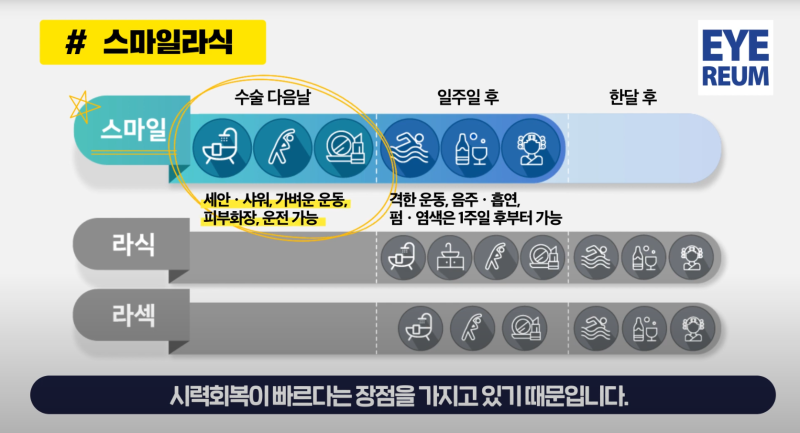
Most daily activities, such as washing your face, applying makeup, and light exercise, are possible the day after surgery, so
it is a procedure preferred by people who don’t want a long recovery period and plan their vision correction around a weekend or short holiday.
SMILE surgery has drawbacks, too.
Although SMILE offers faster physical recovery, in its early days visual recovery was slower than it is now, and many patients found the “hazy vision” after surgery uncomfortable for a while.

In addition, surgeons recognized that improvement was needed not simply to reach 1.0 vision, but to make vision clearer and more comfortable, that is, from the perspective of “quality of vision.”

This is higher-order aberration (HOA).
Simply put, these are tiny optical errors that cannot be corrected even with glasses or contact lenses.
The more higher-order aberrations there are, the more likely night-time halos and glare become, so they are closely tied to the quality of vision after surgery.
Low Energy SMILE started here.
In 2016, Irium Eye Clinic became the first clinic in Korea to introduce the Low Energy SMILE (#LowEnergySMILE) procedure.
“If we lower the laser energy a little further, wouldn’t the damage delivered to the cornea also be reduced?”
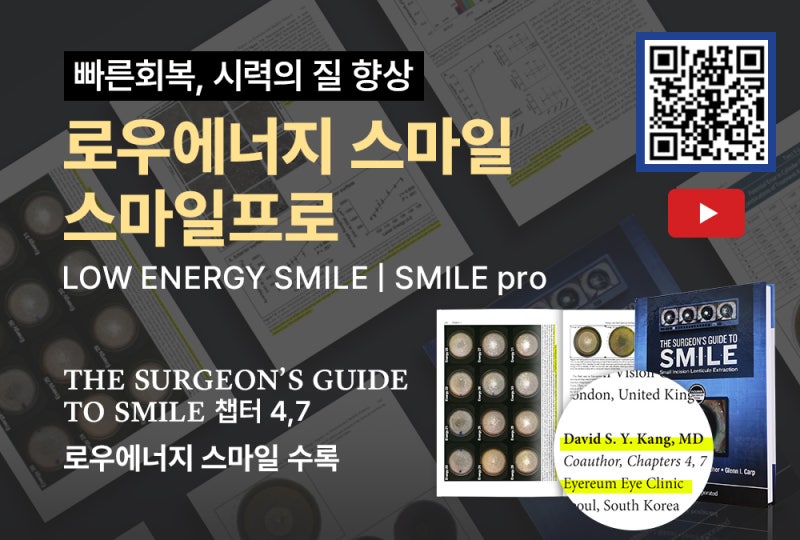
They researched this hypothesis, and in a 2017 SCI paper, they reported that surgery using lower laser energy “may help with faster recovery and a reduction in higher-order aberrations.”

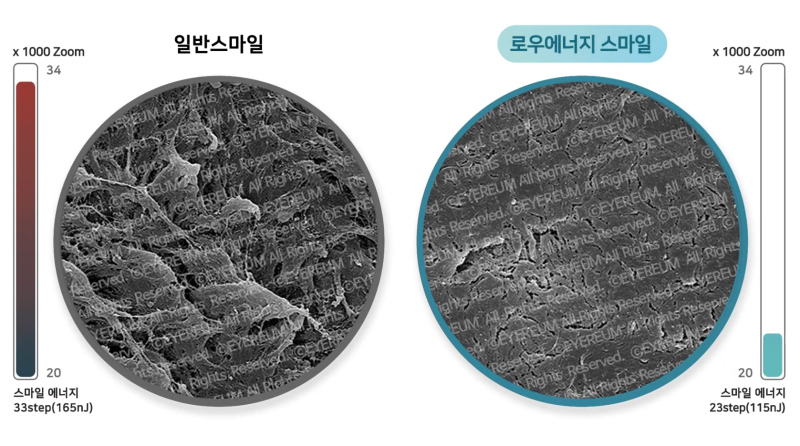
Since then, each time the laser platforms for SMILE advanced, including VisuMax 500 and VisuMax 800, they applied these principles to SMILE and SMILE Pro and continued research to improve the quality of vision.
Plasma SMILE: Pursuing an Even Higher Quality of Vision
#PlasmaSMILE takes Low Energy SMILE one step further.
Surgery is performed using “plasma” energy, in which the laser energy is lowered to an ultra-low level.
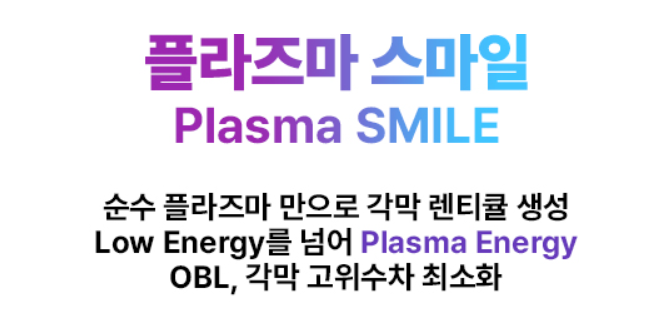
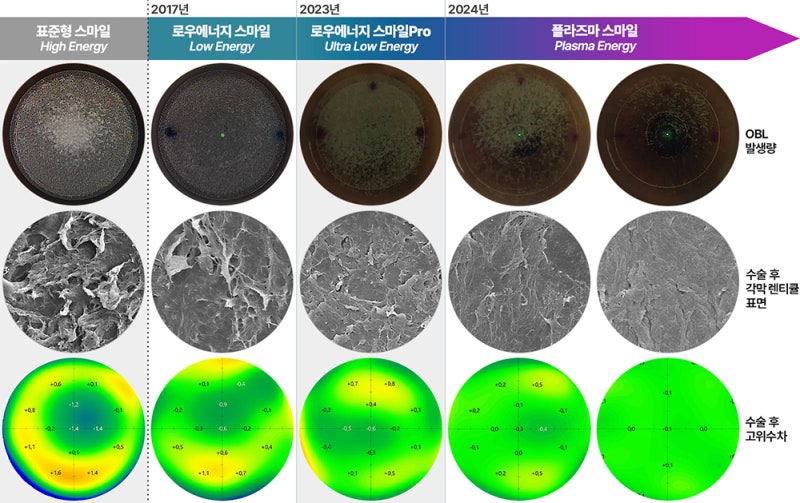
Rather than simply lowering the laser energy, this method fine-tunes the energy delivered to the cornea by optimizing the spacing between the laser’s spots and tracks.
Put simply, it is a way of using the laser precisely and only as much as needed.
The goal is to reduce unnecessary gas bubbles that form inside the cornea (opaque bubble layer, OBL) and to minimize the impact on corneal tissue.
What the SCI Paper Highlighted
The Plasma SMILE study confirmed a reduction in higher-order aberrations and an improvement in quality of vision after surgery.
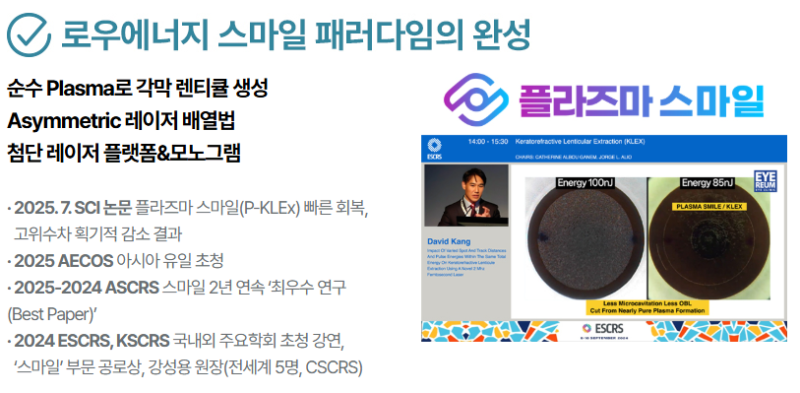
#SMILEResearch As a result, the smoother the cornea remains, the less light is scattered, so you can expect reduced night-time halos and glare, along with clearer and more comfortable vision.
Even if you read the same 1.0 on an eye chart, the reason you might feel that vision is “sharper” or that night driving is “much easier” can come from exactly this difference.
What matters more than the equipment is the surgical design.
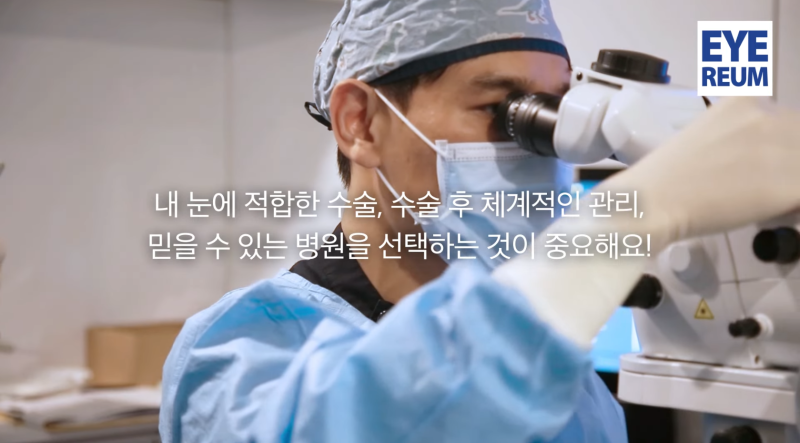
Using the latest equipment is important, but even with the same device, results can vary depending on which surgical protocol is applied and how the laser treatment is designed.
Starting with Low Energy SMILE, Irium Eye Clinic has continuously developed customized surgical protocols tailored to each patient’s eye condition, including:
Triple Centration,
Vector Planning,
and Plasma SMILE.
If you are considering SMILE,
vision correction should aim not simply to help you see well, but to help you see clearly and comfortably for a long time.
Whether SMILE is right for you,
and whether Low Energy SMILE or Plasma SMILE can be applied to you,
can be confirmed through a thorough examination.
If you are planning vision correction during summer break or a vacation, please also consult with us about whether the procedure takes into account not only SMILE cost, price, and recovery speed, but also the quality of your vision.
Plan your customized vision correction at #GangnamEyeClinic #IriumEyeClinicSMILE.


Frequently Asked Questions
What is Plasma SMILE?
Plasma SMILE is a SMILE LASIK concept that takes Low Energy SMILE one step further. The article explains that it lowers the laser energy to an ultra-low “plasma” level and precisely controls the energy delivered to the cornea by optimizing the spacing between the laser’s spots and tracks.
What is the goal of Plasma SMILE?
Plasma SMILE aims to reduce unnecessary gas bubbles (OBL) that form inside the cornea and to minimize the impact on corneal tissue. The article describes this approach as a surgical concept aimed at “an even higher quality of vision.”
What are higher-order aberrations, and why do they matter?
Higher-order aberrations (HOAs) are tiny optical errors that cannot be corrected even with glasses or contact lenses. The article explains that as higher-order aberrations increase, night-time halos and glare can become more pronounced, so they are closely linked to the quality of vision after surgery.
What results did Plasma SMILE show in the SCI paper?
According to the article, the Plasma SMILE study confirmed a reduction in higher-order aberrations and an improvement in quality of vision after surgery. It explains that the smoother the cornea remains, the less light is scattered, which can reduce night-time halos and glare and provide clearer, more comfortable vision.
How can I find out whether Plasma SMILE is right for me?
Whether Plasma SMILE can be applied to you can be confirmed through a thorough examination. The article recommends consulting about not only recovery time and cost, but also the quality of vision.
How is SMILE LASIK different from LASIK and LASEK?
The key difference is that SMILE does not cut a corneal flap or the corneal stroma on the surface. As a result, there is less pain during surgery and physical recovery is faster. The article also explains that most daily activities, such as washing your face, applying makeup, and light exercise, are possible the day after surgery.