2026-11-04
Cataract Lenses: How to Choose Between Monofocal and Multifocal IOLs
This guide explains how to choose between monofocal, extended-range, and multifocal cataract lenses based on eye condition, daily activities, and tolerance for glare.

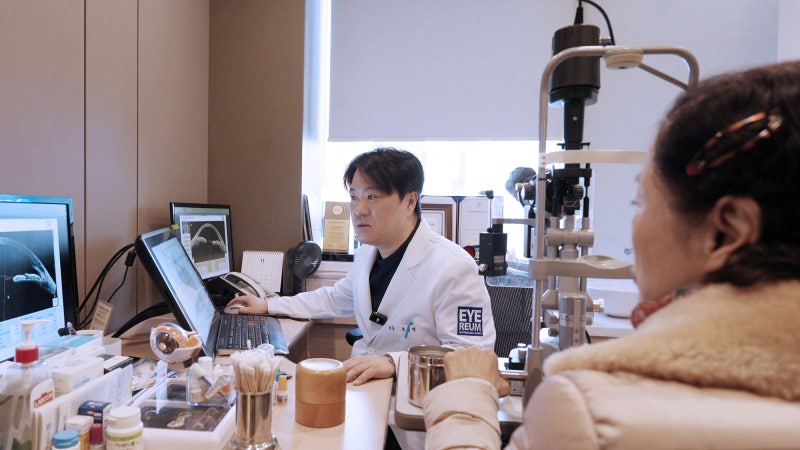
Monofocal or multifocal: how should you choose a cataract lens?
One of the biggest questions patients face before cataract surgery is whether to choose a monofocal or a multifocal lens. Recently, the options have expanded beyond standard monofocal and multifocal lenses to include premium monofocal lenses that enhance intermediate-distance vision, as well as extended-range (continuous focus) lenses.
Each lens differs in the distances where it provides the clearest vision, its tendency to cause glare, and how much it reduces dependence on glasses, so it is difficult to say that one lens is simply better than another.
Dr. Choi Jin-young of Eyereum Eye Clinic considers three main factors when selecting an intraocular lens for cataract surgery: the condition of the eyes, occupation and daily lifestyle, and how much inconvenience the patient can comfortably accept.
From the perspective of the surgeon performing cataract operations, we have summarized the differences between monofocal and multifocal lenses and the criteria for selecting a lens for each patient. For more detail on the differences among monofocal, multifocal, and extended-range cataract lenses, and the criteria Dr. Choi Jin-young uses in actual clinical practice, please watch the video!
※ The choice of cataract lens is made by comprehensively considering the patient's eye condition, overall health, age, occupation, hobbies, and lifestyle. Even the same lens may be suitable or unsuitable depending on the individual, and the medical team's opinion may vary.
What types of cataract intraocular lenses are available?
In cataract surgery, the clouded natural lens is removed and an intraocular lens (IOL) is implanted in the eye.
Cataract lenses can broadly be divided into the following types.


1. Monofocal lens
This lens focuses at a single distance. If the focus is set for distance vision, reading glasses may be needed for close-up tasks. Among monofocal IOLs, some are designed to extend the range of clear vision slightly further into intermediate distances than standard monofocal lenses.
2. Extended-range (continuous focus) lens
This lens widens the range of clear vision from far to intermediate distances. Near vision may vary depending on the product and the condition of the eye.
3. Multifocal lens
This lens is designed to provide clear vision at both far and near distances. It can reduce dependence on glasses compared with standard monofocal lenses, but it may cause glare and halos, and it may take time to adapt to the new way of seeing.

Cataract multifocal lenses: why eye condition matters
Because multifocal lenses split light to form focal points at several distances, the examination first checks the macula (the central part of the retina), the optic nerve, the cornea, and the tear film. It is also important to determine whether cataracts are the main cause of the current vision decline or whether other eye conditions are present as well.

According to Dr. Choi Jin-young, if there is a disease affecting the macula or optic nerve, a monofocal or premium monofocal lens is considered before a multifocal lens. The corneal examination also checks for higher-order aberrations, which refer to the degree to which light is complexly distorted by factors such as the shape of the cornea. In eyes with markedly high higher-order aberrations, there is a greater possibility of experiencing more noticeable glare or blurring after multifocal lens implantation, so lens selection must be approached with particular care.
Pupil size is also checked. The near-vision performance of some extended-range lenses can vary depending on pupil size, so the expected range of vision is explained together with the test results.
Does the right cataract lens depend on night driving or occupation?
The second factor is occupation and daily life.

Even with the same cataract surgery, the vision you need depends on which distances you use most during the day. For those who drive often at night, such as taxi or truck drivers, a lens that produces less glare may be more comfortable. If your job involves long hours at a computer, intermediate-distance vision is important; if you do a lot of detailed close-up work, you need to consider how to secure near vision. Whether you read books or use a smartphone frequently, whether you are often engaged in outdoor activities such as exercise or travel, and how much you find wearing reading glasses inconvenient also influence lens selection.
If using reading glasses is not a major inconvenience, a monofocal lens can be a good choice. Conversely, if you are very active and want to move between distant and close-up tasks without glasses, a multifocal lens may be worth considering.
Which is more bothersome: glare with multifocal lenses, or reading glasses with monofocal lenses?
The third factor is how much inconvenience you can accept.
Multifocal lenses can reduce dependence on glasses, but after surgery, lights at night may appear blurred or haloed, and it may take time to adapt to the new way of seeing. Some people notice these effects less as time passes, but for others the discomfort can persist for a long time.
Monofocal lenses tend to produce less glare than multifocal lenses, but if the focus is set for distance, reading glasses are usually needed for close-up text.

That is why Dr. Choi Jin-young asks patients preparing for cataract surgery which would bother them more: lights blurring at night, or needing reading glasses. Testing can identify risk factors related to glare, but it is difficult to predict precisely how bothersome glare will actually feel. Therefore, lens selection also takes into account which visual inconvenience a patient finds most burdensome in daily life and what they consider most important after surgery.
When should you consider a multifocal, extended-range, or monofocal lens?
If your eyes are suitable and you want to reduce dependence on glasses, a multifocal lens may be considered. If you want to see comfortably at intermediate distances while keeping glare to a minimum, an extended-range lens may be considered. If there are limitations, such as in the macula, optic nerve, or cornea, a monofocal or premium monofocal lens is considered first.

However, the choice of cataract lens is made by comprehensively considering the patient's eye condition, overall health, age, occupation, hobbies, and lifestyle, and the suitable lens and the medical team's opinion may vary from person to person. For a detailed look at the differences among monofocal, extended-range, and multifocal lenses and the actual selection criteria, please watch Dr. Choi Jin-young's video. If you are considering cataract surgery, we encourage you to confirm the right lens for you through a thorough examination and consultation.
Gangnam cataract clinic: Eyereum Eye Clinic location guide
Eyereum Eye Clinic is located in the Gangnam Center Building, which connects directly to Gangnam Station Exit 2 through the underground level.
Board-certified ophthalmologists with university hospital backgrounds personally handle everything from detailed cataract examinations and intraocular lens consultations to surgical planning, and they review cataract lens options together with each patient to match their eye condition and lifestyle.
If you are considering cataract surgery, please take time for a thorough examination and consultation to confirm the lens and surgical plan that suit you.

Cataract Lens Q&A Summary
Q. Are multifocal lenses better than monofocal lenses?
Each lens has its own advantages and disadvantages, so it is not possible to say that one is better across the board. Factors such as eye condition, lifestyle, and how much you want to reduce dependence on glasses are considered together.
Q. If I drive a lot at night, should I avoid multifocal lenses?
If you drive often at night, sensitivity to glare is an important factor to check. Taking test results and occupational needs into account, we review which of the monofocal, extended-range, or multifocal options is most suitable.
Q. If I get multifocal lenses, will I never need reading glasses?
Multifocal lenses can help reduce dependence on glasses, but it cannot be said that glasses will never be needed in every situation. Glasses may still be necessary for very small print or detailed close-up work.

#CataractLens #CataractSurgery #CataractIOL #MonofocalLens #MultifocalLens #CataractMultifocalLens #CataractMonofocalLens #PremiumMonofocalLens #IntraocularLens #CataractLensTypes #CataractSurgeryLens #CataractGlare #EyereumEyeClinic #DrChoiJinyoung #GangnamCataractClinic #GangnamEyeClinic
Frequently Asked Questions
Are multifocal lenses better than monofocal lenses?
No. Each lens has its own strengths and weaknesses, so it is difficult to say that one is better for everyone. The choice takes into account eye condition, lifestyle, and how much you want to reduce dependence on glasses.
If I drive a lot at night, should I avoid multifocal lenses?
There is no blanket rule that multifocal lenses must be avoided. If you drive often at night, a lens that produces less glare may be more comfortable, so sensitivity to glare is carefully assessed, and the most suitable lens is reviewed based on test results and occupational needs.
If I get multifocal lenses, will I never need reading glasses?
No. It cannot be said that glasses are unnecessary in every situation. Multifocal lenses can help reduce dependence on glasses, but glasses may still be needed for small print or detailed close-up tasks.
How do you see close-up text with a monofocal lens?
If the lens is set for distance vision, reading glasses are usually needed to see close-up text. However, monofocal lenses tend to produce less glare than multifocal lenses, and if using reading glasses is not a major inconvenience for you, they can be a good choice.
What types of cataract intraocular lenses are there?
They are broadly divided into monofocal, extended-range (continuous focus), and multifocal lenses. Monofocal lenses focus at a single distance, extended-range lenses provide clear vision from far to intermediate distances, and multifocal lenses are designed for both far and near vision.