2026-05-18
Why Is Deviated Nose Axis Surgery So Difficult? Complete Guide to Axis-Correction Rhinoplasty
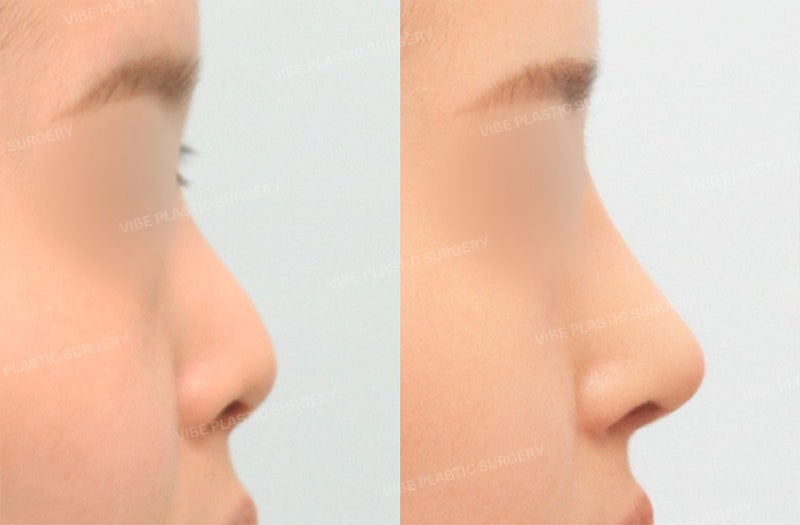
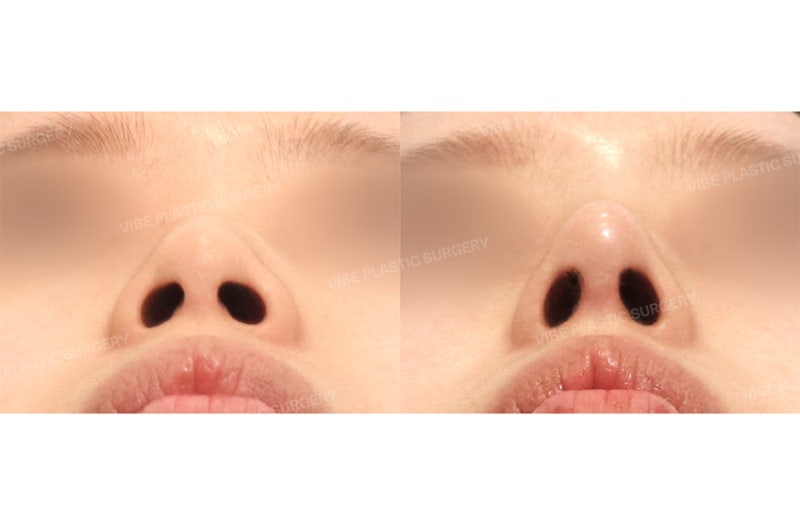
A nose that appears tilted from the front isn't simply a matter of a bent appearance—it involves complex structural issues affecting the nasal septum, cartilage, and skeletal framework. Raising the bridge alone won't solve the problem; the key is stabilizing the center axis and creating a support structure that can endure over time. This case involved septal realignment and reinforcement with donor rib cartilage to stabilize the center axis.
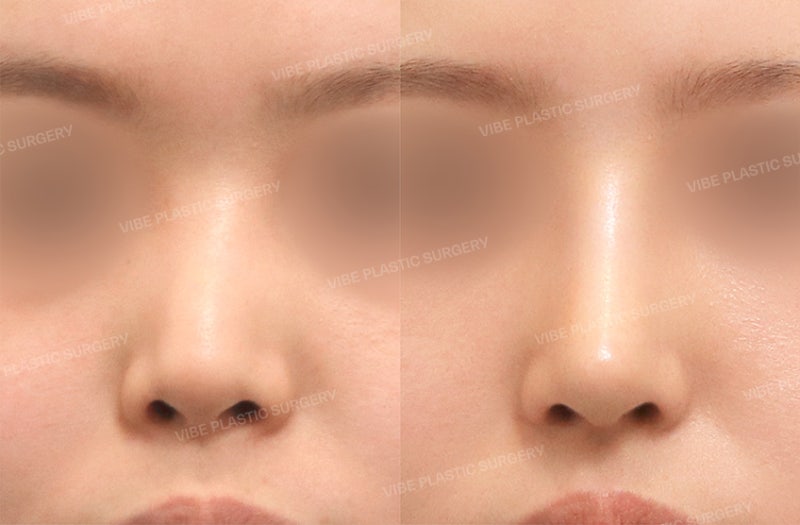
Why it's about more than just a bent nose—it's about correcting the structure itself !
When viewed from the front, the nose may appear tilted to one side, or the center of the tip may be misaligned.
Patients often think of it as simply "my nose is a bit bent," but when examined in the operating room, there are often much more complex structural issues at play.
In this case, the nose's center axis itself was significantly tilted to one side,
and the tip lacked adequate support, preventing it from projecting forward sufficiently.
Such a nose cannot be corrected simply by raising the height.
In fact, an incorrect approach can result in the axis appearing misaligned again after surgery, or asymmetry becoming more pronounced over time.
Why Does the Nose Center Axis Become Deviated?
A deviated nose axis has more diverse causes than you might think.
When the nasal septum itself is severely deviated
When cartilage growth is asymmetrical
When structure is compromised by past trauma
When the facial skeleton itself is naturally asymmetrical
When the support structure becomes unstable after previous surgery
Because the nose is at the center of the face, even a 1-2mm difference can noticeably change the overall appearance.
Therefore, in rhinoplasty, "aligning the center" is not just about aesthetics—it's a structural task that considers the overall facial balance.
Why Is This Type of Surgery So Challenging?
A severely deviated nose requires far more attention to detail than standard rhinoplasty.
1. Simply Raising the Bridge Won't Fix It !
Many people think that if the nose looks bent, raising the bridge will fix it—but this often isn't the case.
In fact, raising the height alone when the central structure is misaligned can actually emphasize the deviation even more.
So what matters isn't "how much height to add," but rather "how stable you can make the center axis correction."
2. The Nasal Septum's Role is Crucial !
At the center of the nose is a columnar structure called the nasal septum.
If this septum is bent or weak, the tip direction itself is pulled to one side.
In this case, the key was to straighten the septum as much as possible and realign the center.
However, in many cases the septum alone doesn't provide sufficient support, requiring additional structural reinforcement.
3. A Strong Support Structure Must Be Built !
The most important aspect of axis-correction surgery is creating a structure that endures over time, not just the immediate post-op appearance.
No matter how straight it appears immediately after surgery, if the support is weak, it can shift again during healing.
In this surgery, we used donor rib cartilage along with septum manipulation to stably secure the center axis.
Donor rib cartilage can provide sufficient strength and volume, making it helpful in cases like this that require substantial structural support.
What Matters in Axis-Correction Surgery: "Fine Balance"
In reality, this type of surgery isn't simply about pushing and pulling on one side.
How force is applied in each direction
Which side has stronger skin tension
The rotational direction of the tip cartilage
How much deviation exists from the facial centerline
How it appears from frontal, lateral, and basal views
All these factors must be considered.
Since the human face is naturally not perfectly symmetrical,
finding a natural balance point across the entire face is more important than mechanically aligning to the center.
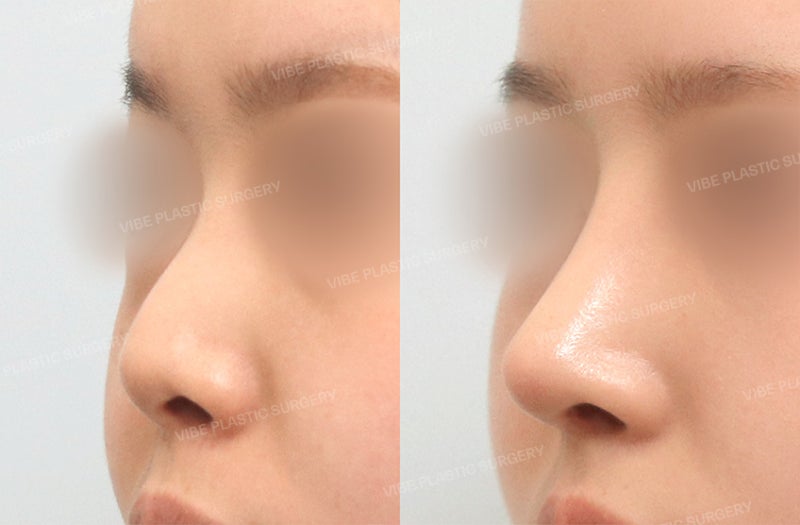
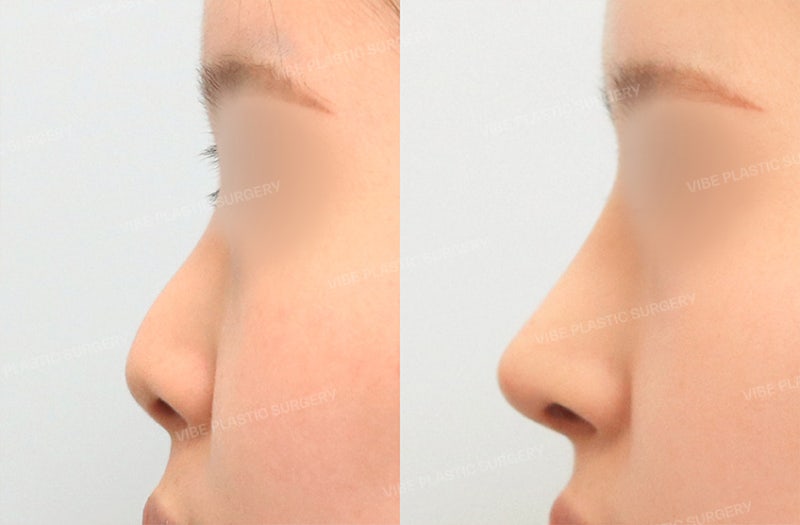
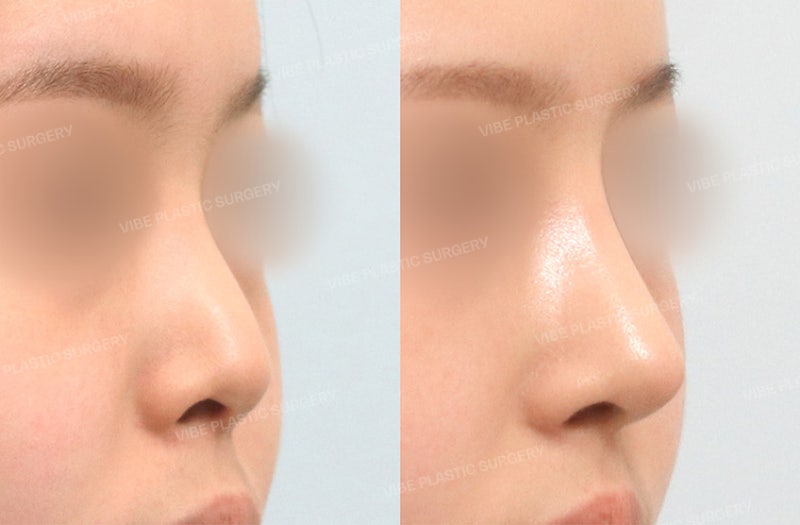
Post-Surgery Changes: Key Points
In this case, the change goes beyond simply a raised appearance;
the tip center is now aligned,
the nasal line appears more stable,
and the overall appearance is much more refined—
that's the essence of the transformation.
Particularly, by improving the tip projection that was previously insufficient, the dull appearance has become much sharper and more defined.
The More Severely Deviated the Nose Axis, the More "Structure" Matters !
Rhinoplasty isn't just about creating pretty lines.
Especially with severely deviated noses, how stably you rebuild the internal structure matters more than the external appearance.
That's why in such cases, it's not just about the design—
understanding the current nasal structure,
whether support is adequate,
what materials are needed,
and whether the structure can be maintained over time—
these must all be considered together.
Though these seem like small differences, these details collectively create the stability of your frontal appearance.
Frequently Asked Questions
What Causes Deviated Nose Axis?
Causes are diverse, including severe nasal septum deviation, asymmetrical cartilage growth, structural damage from past trauma, naturally asymmetrical facial skeleton, or destabilized support structure after previous surgery.
Will Raising the Bridge Correct a Deviated Nose?
Simply raising height alone won't resolve it. In fact, adding height when the central structure is misaligned can emphasize the deviation even more, making stable axis correction the more important goal.
Why Is the Septum Important in Axis-Correction Rhinoplasty?
The septum is the columnar structure at the nasal center; if bent or weak, it pulls the tip direction to one side. Therefore, straightening the septum as much as possible and realigning the center is a critical step in axis correction.
When Is Donor Rib Cartilage Used?
It's used for additional structural reinforcement when the septum alone lacks sufficient support. Because it provides adequate strength and volume, it helps stably secure the center axis in axis-correction cases requiring substantial support.
What Is Most Important in Axis-Correction Rhinoplasty?
Creating a strong support structure that endures over time is more important than immediate post-op appearance. Also, since the face is naturally not perfectly symmetrical, finding a naturally balanced result across the whole face matters more than mechanical center alignment.
What Factors Must Be Considered in Deviated Axis Surgery?
To achieve natural balance, you must comprehensively consider force direction, skin tension differences, tip cartilage rotation, deviation from the facial centerline, and appearance from frontal, lateral, and basal views.