2026-05-18
Nose Revision Surgery Key Points: Guide to Correcting Pinched Tip and Crooked Nose
Dr. Young-Moon Yoo of Vibe Plastic Surgery presents a revision case that improved a crooked nose, pinched tip, step-off deformity, and excessive silicone issues occurring 10 years after the initial surgery. The central axis was corrected using septal cartilage, adhesions were dissected to relieve pinching, and auricular cartilage and dermal grafting naturally enhanced the tip volume and contour. The key to revision surgery is restoring the collapsed structure, not simply changing the shape.
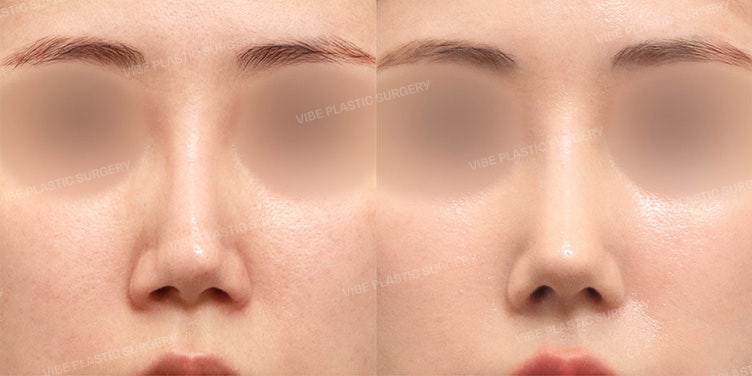
Nose Revision Surgery: This is How It Changes !
Hello.
I am Dr. Young-Moon Yoo from Vibe Plastic Surgery.
Nose revision surgery requires a much more sophisticated approach than the initial surgery.
Especially when significant time has passed, cases often show a complex combination of cartilage deformation, adhesions, contracture, and asymmetry.
Today, I will introduce a revision case that improved problems that arose 10 years after the initial nose surgery.
✔ Pre-operative State Analysis
The patient experienced the following concerns:
Excessively pointed tip with an artificial appearance
Asymmetrical appearance with leftward deviation
Step-off deformity of the tip (depression/protrusion)
Excessively high silicone dorsum creating an unnatural line
Upon my examination:
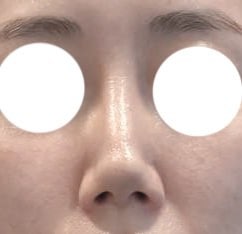
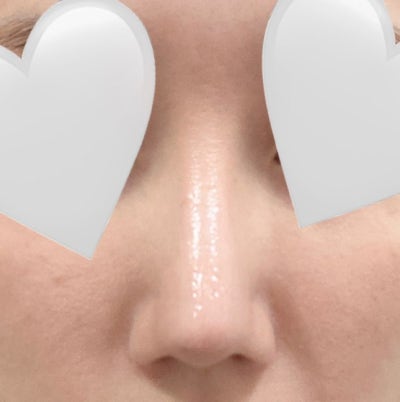
✔ From the front, the central axis of the nose was slightly deviated
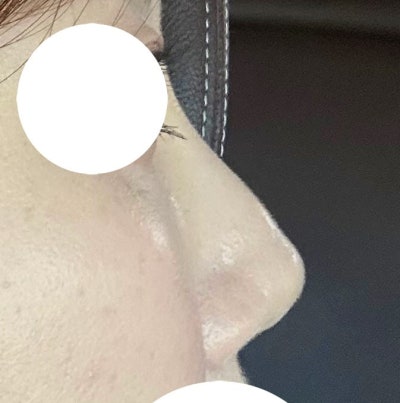
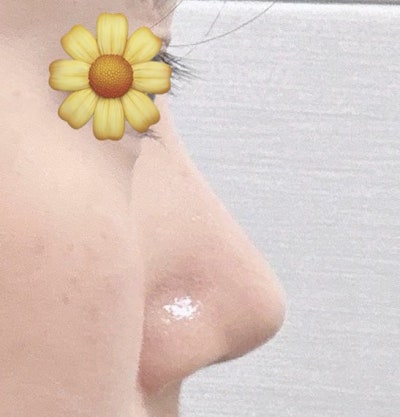
✔ From the side, the dorsum was overly prominent with an unnatural connection to the tip
✔ The tip appeared pinched and sharp in form.
✔ Most Important Surgical Points
In revision surgery, the key is not simply "changing the shape" but "redesigning the collapsed structure."
The most important considerations in this surgery were as follows:
1. Correcting the Central Axis of the Crooked Nose
Correcting the deviation of the septum to align the center of the nose
Designed to stably support the entire structure of the nose, not just simple correction
👉 In revision surgery, if the central axis correction is not done properly, there is a high likelihood of the result becoming misaligned again.
2. Resolving Pinched Tip (Pinching)
Carefully dissecting the cartilage adhesions caused by the previous surgery
Releasing the tension in the deformed cartilage to restore a natural form
👉 For a pinched tip, releasing the tension is far more important than simply adding cartilage.
3. Enhancing Tip Volume Through Dermal Grafting
Naturally filling the step-off and depression of the tip
Creating smooth curves without an artificial feel
👉 We used human tissue (dermis) to stably enhance the area.
4. Adjusting Excessive Silicone Height
Readjusting the previously high implant to an appropriate height
Designed so the dorsum and tip connect naturally
👉 For the dorsum, harmony with the face is far more important than simple height.
✔ Materials Used
Septal Cartilage → Correcting central axis and supporting structure
Auricular Cartilage → Enhancing tip shape
Dermis → Improving tip volume and contour
👉 Using each material according to its purpose determines the quality of the revision surgery.
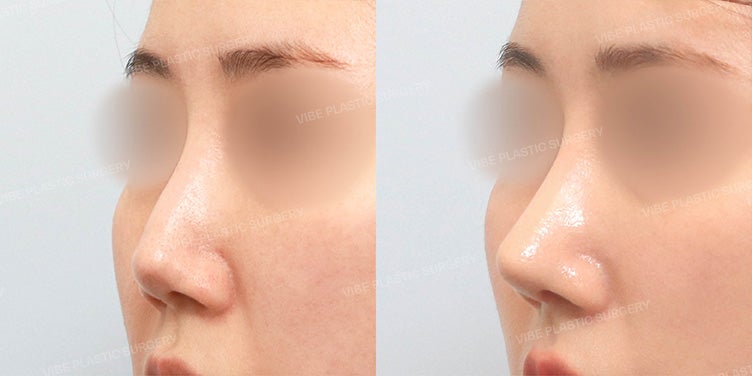
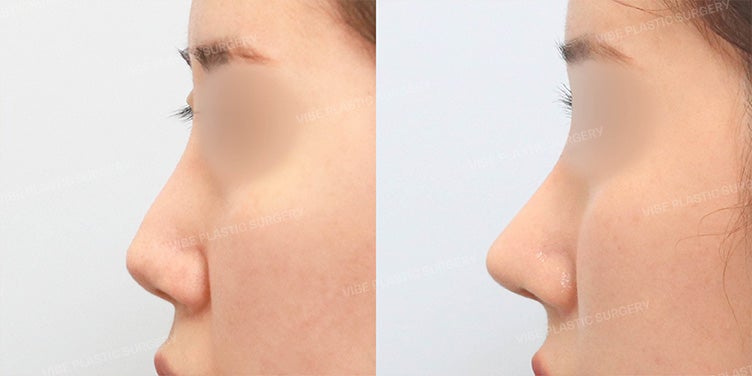
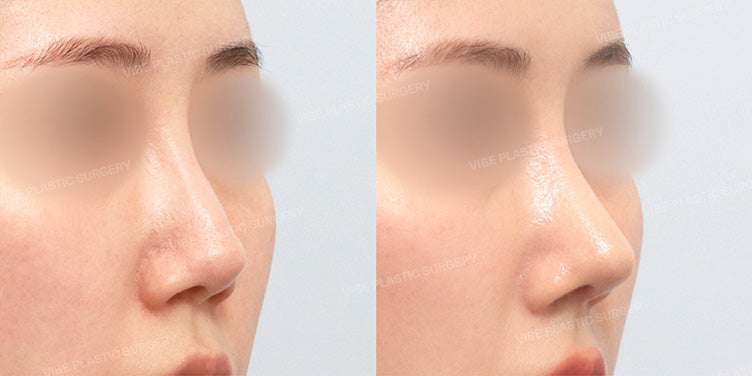
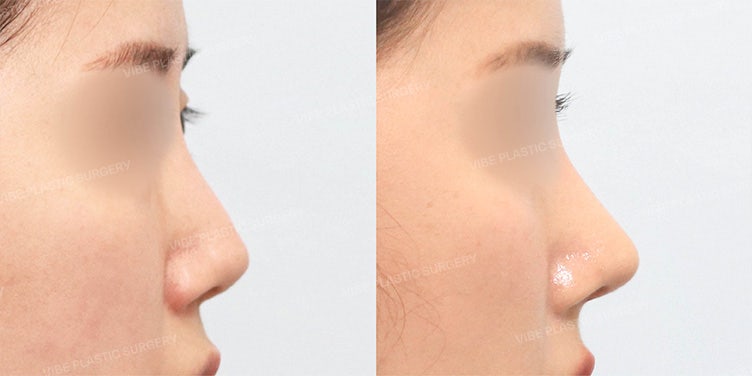
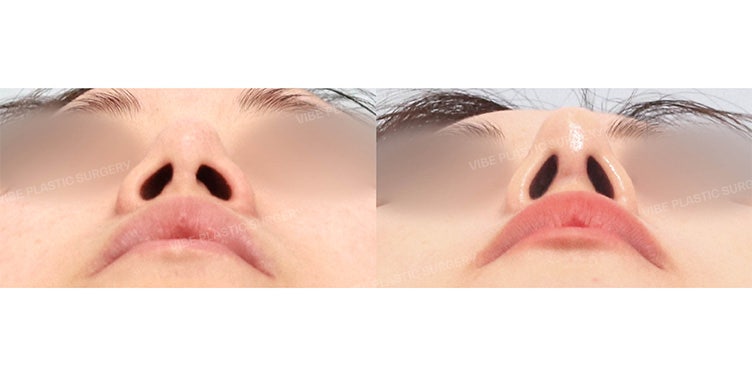
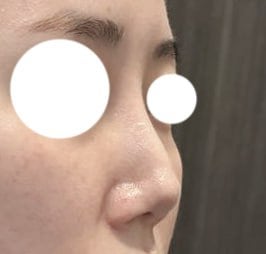
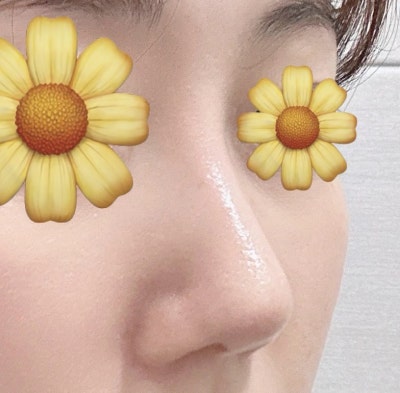
✔ Post-operative Results Analysis
The changes after surgery are as follows:
✔ Changes from the Front
The crooked nose aligned to center
Improved tip asymmetry
Overall more stable appearance
✔ Changes from the Side
The excessively high dorsum naturally reduced
The connection between tip and dorsum softened
Artificial appearance → Natural lines + smooth curves
✔ Changes to the Tip
Relieved pinched appearance
Soft, three-dimensional volume created
Smooth contour completed through step-off correction
👉 Ultimately, this is a revision result that minimizes surgical appearance while maximizing refinement.
✔ When Nose Revision Surgery is Needed
Revision surgery can be considered in the following cases:
Crooked or deviated appearance
Pinched or overly pointed tip
Excessively high or unnatural dorsum
Shape deformation over time
✔ Conclusion
Nose revision surgery is not simply a design issue, but rather a "structural reconstruction surgery."
In particular:
✔ Resolution of adhesions
✔ Central axis correction
✔ Tissue enhancement
These three elements must be properly executed to create natural and stable results.
At Vibe Plastic Surgery, we precisely analyze each patient's previous surgical state and proceed with revision surgery in the safest and most natural manner.
Thank you.
Frequently Asked Questions
When Should Nose Revision Surgery be Considered?
Revision surgery can be considered when the nose appears crooked, the tip is pinched and pointed, the dorsum is excessively high or unnatural, or the shape has deformed over time. It requires a much more refined approach than the initial surgery.
How is Pinched Tip (Pinching) Corrected?
For a pinched tip, releasing the tension is more important than adding cartilage. We correct it by carefully dissecting the cartilage adhesions from the previous surgery and releasing the tension in the deformed cartilage to restore a natural form.
How is a Crooked Nose Straightened?
We correct it by straightening the septal deviation to align the nose's central axis. The entire structure must be designed to stably support itself so the result doesn't become misaligned again—it's not just simple correction.
What Materials are Used in Nose Revision Surgery?
Septal cartilage is used for central axis correction and structural support, auricular cartilage for tip shape enhancement, and dermis for improving tip volume and contour. Using each material according to its specific purpose determines the quality of the revision.
Why is Nose Revision Surgery More Difficult Than Initial Surgery?
Nose revision surgery is not simply a design change, but rather a structural reconstruction of a collapsed structure. When significant time has passed, cartilage deformation, adhesions, contracture, and asymmetry appear in combination, requiring a more refined approach.
How are Tip Step-off and Depression Corrected?
We naturally fill the tip's step-off and depression through dermal grafting. Using human dermal tissue creates smooth curves without an artificial feel and stably restores volume.